Our talent is finding your talent
We are committed to helping your end goal of attracting the best talent in the market. With three UK locations, we are a business with over 25 years recruitment specialisms bringing together the expertise of both Redmill Consulting and Keillar Resourcing.
Our Process
We specialise in building high-performing teams!
Our specialists work collaboratively with you to help guide and advise through your hiring journey with our cutting-edge methodology.
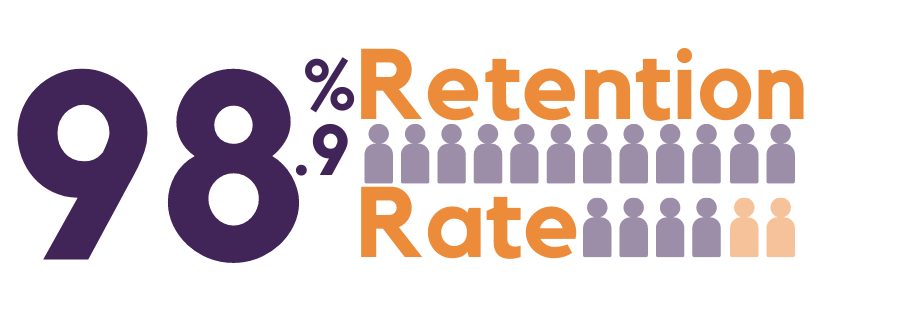
RMK Talent Solutions are proud to have achieved a 98.9% retention rate on all hires in the last 12 months.
We ensure our team shares the same values and vision as we do, this means we deliver a service-led experience for both candidates and clients at all times.
Data Driven
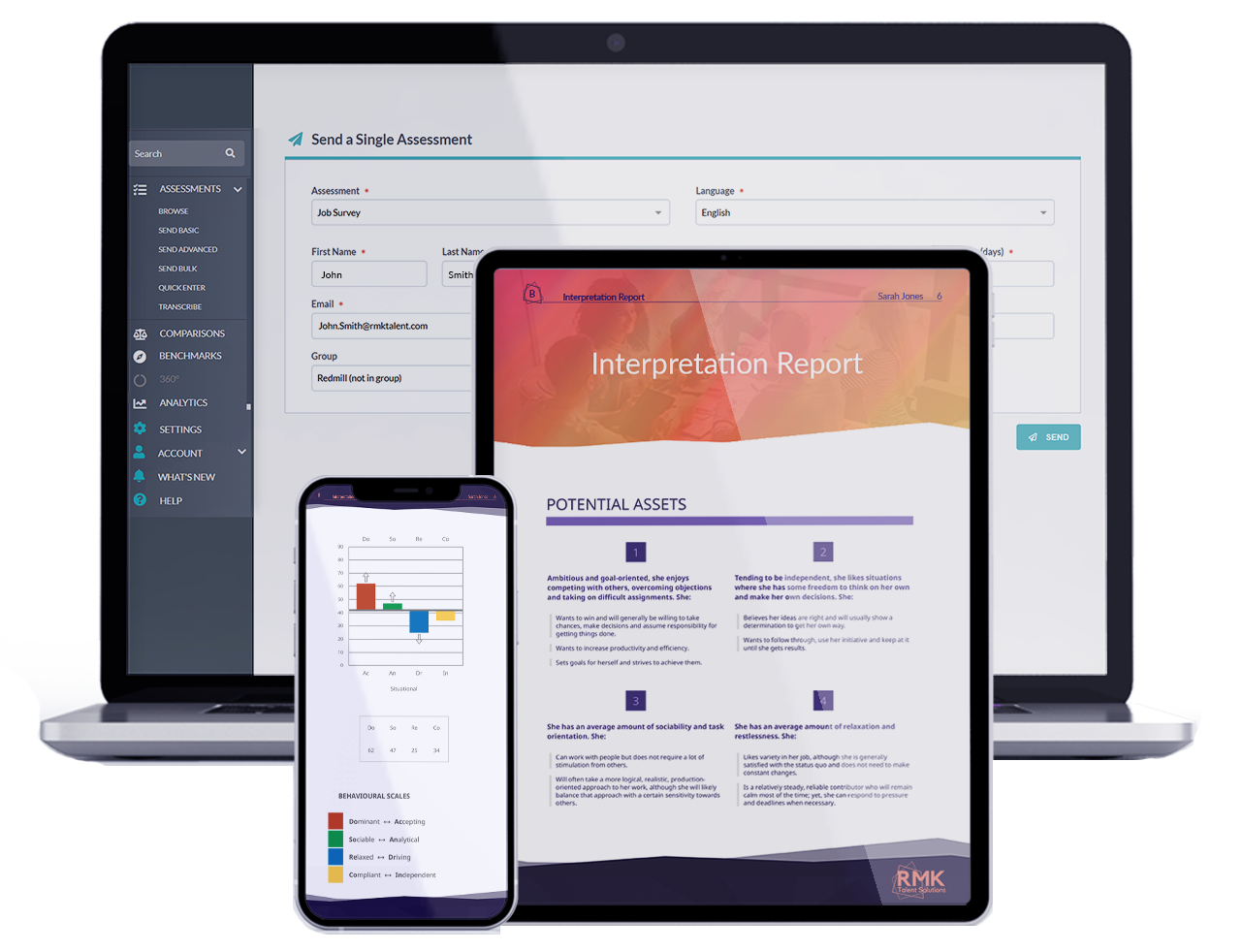
We produce in-depth candidate assessments that streamline recruitment processes, reduce costs, reduce commercial down-time, and increase new employee retention within your business.
Latest Vacancies
Shaping the Future Together
Adviser Support Team Leader
We are delighted to be working with an international investment management and technology client who are currently looking for a passionate and organised individual for the role of Adviser Support Team Leader. The Adviser Support team delivers...
Platform Administration Team Leader
We are delighted to be working with an international investment management and technology client who are currently looking for a passionate and organised individual for the role of Platform Administration Team Leader. Within the role you will be...
Business Development Manager – Asset Managers
Our client is looking to recruit an experienced Business Development Executive concentrating on developing profitable relationships with Asset Management clients in the UK. As a market leader they provide efficiencies for fund managers and fund...
Support your team
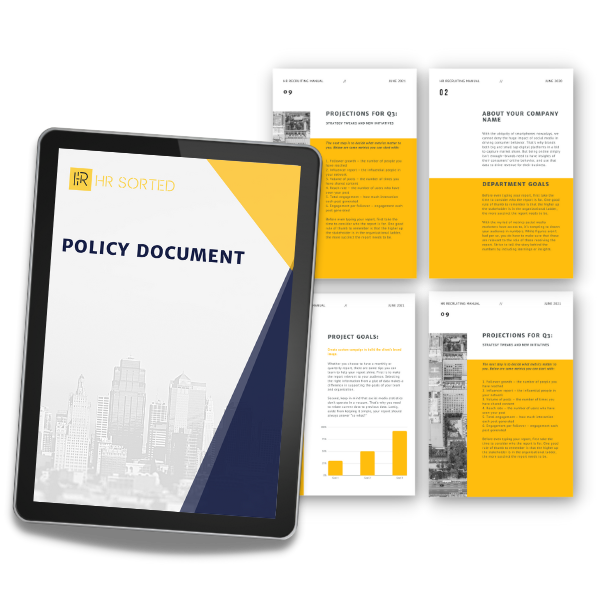
Our partner business HR Sorted provides services that help support and protect your organisation and employees with a wide range of HR services.
Regardless of business size, HR Sorted is a one-stop-shop for all your HR needs.

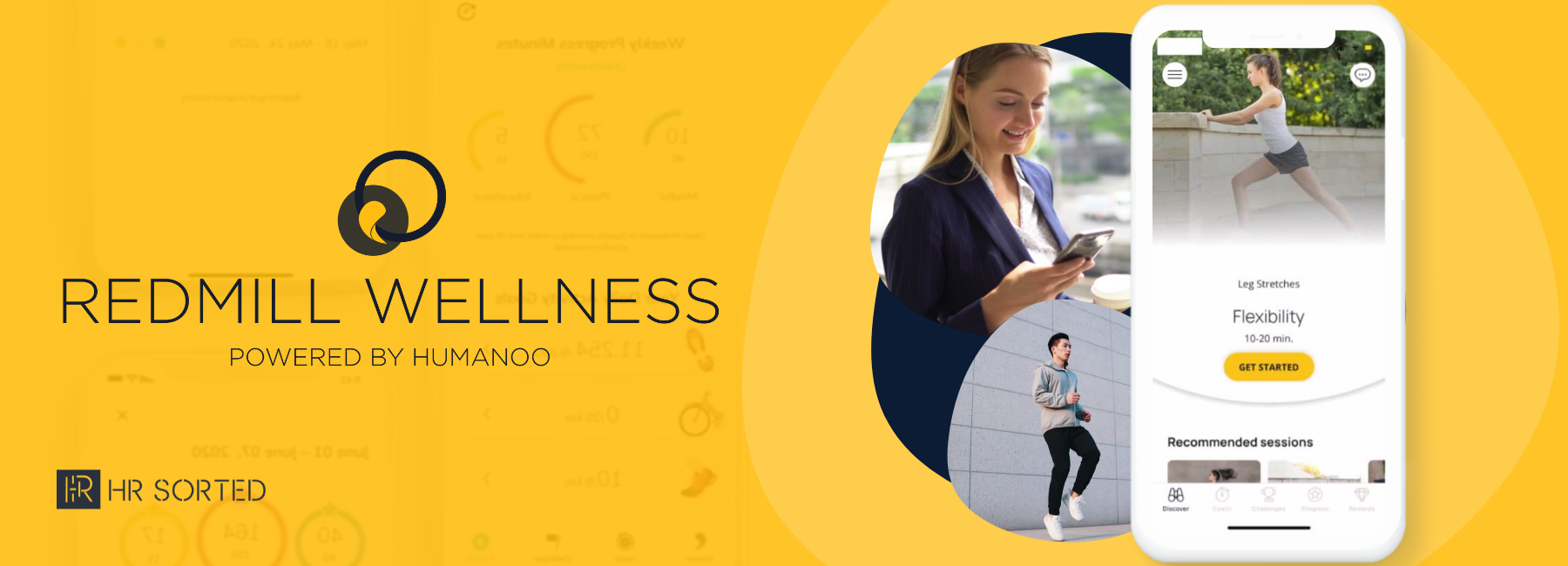
Take employee wellbeing to new heights with ‘Redmill Wellness’
Be the change in employee wellbeing
Automate your corporate wellness and make your ROI measurable within one platform.
Join our professional wellbeing movement with other employee centric businesses.
No matter how big or small your business is, we support your employee wellness journey.
The Hub
We are here to help you secure your next career step. Access expert careers advice, guidance on job applications, CVs and cover letters, interview tips, career planning and more…
Unleashing Independence: The Compelling Case for Becoming a Self-Employed Financial Adviser
In the ever-evolving landscape of the financial industry, individuals seeking a career with autonomy, flexibility, and limitless potential often find themselves drawn to the role of a self-employed financial adviser…
How to assess candidates’ CVs when recruiting
CV’s not only help assess and rank applicants’ experience, skills and key achievements but can reveal much more about a candidate – such as how they might fit into the culture of your business. ...

CV Writing – Tips to get your CV noticed
Writing a CV can be a bit of a head-scratcher, you find yourself staring at the white abyss that is your computer screen and the dreaded blinking cursor taunting you. The reality is cv writing...
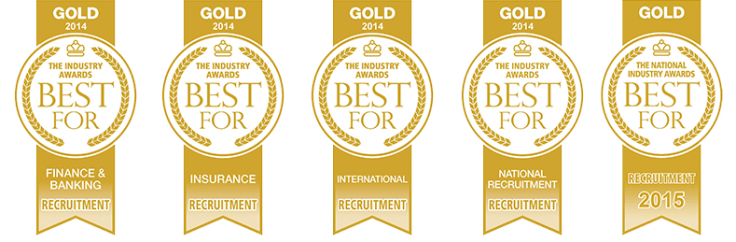
Our Award Wins
We have picked up a few accolades and awards along the way. We have been voted ‘Best for Recruitment’ both in the UK and internationally and have picked up several prestigious customer service awards for our client and candidate service levels.